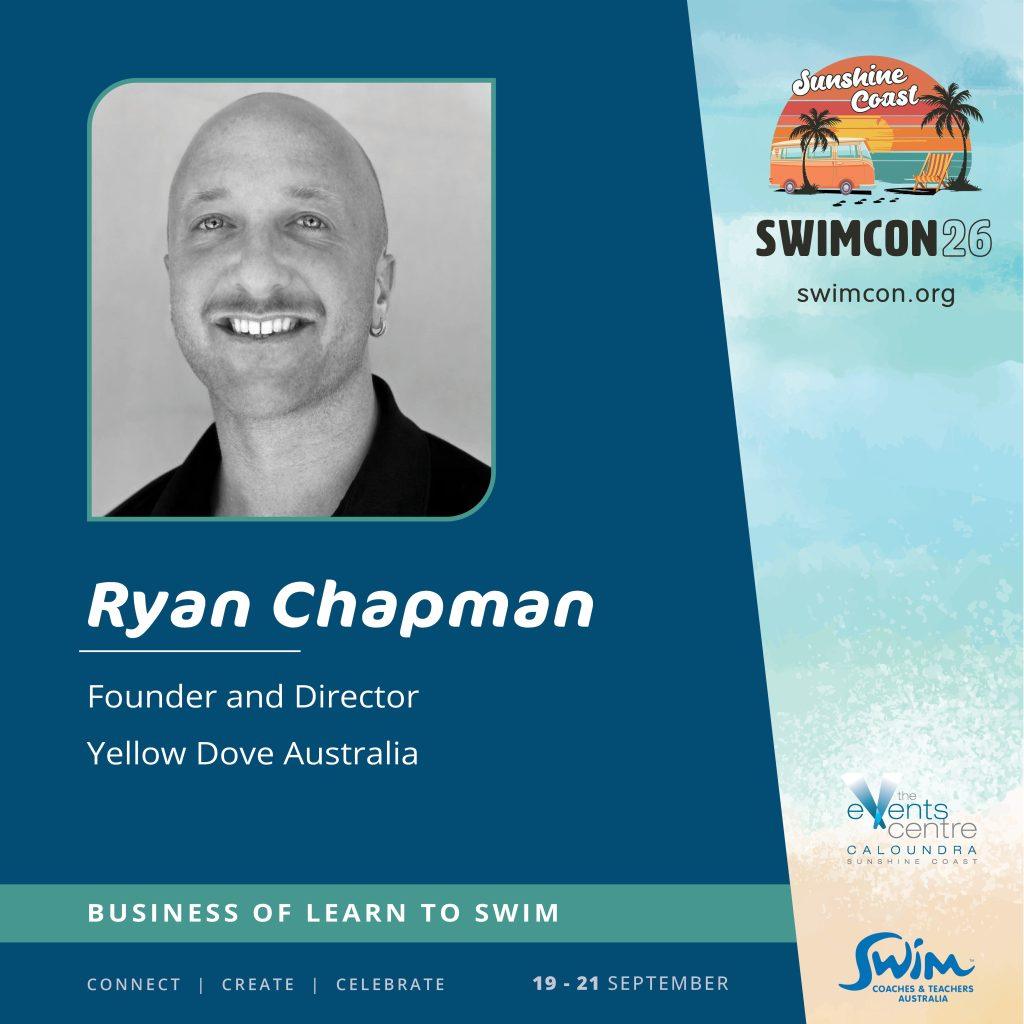
Ryan Chapman
Founder and CEO, Yellow Dove Australia
Ryan Chapman is the Founder and CEO of Yellow Dove Australia, a community-driven organisation focused on education, health, and wellbeing initiatives forunderserved populations. Over the past decade, Ryan has worked across education and community sectors in South East Queensland, Northern Territory and Western Australia, specialising in First Aid, CPR, and drowning prevention and aquatic education.
Ryan is the developer of the Aquatic Empowerment Ecosystem Model (AEEM), an innovative framework that combines drowning prevention, nationally recognised training, and career pathway development to build sustainable long-term community capacity. His work focuses on equipping individuals; particularly those from marginalised and culturally diverse background, with the skills, confidence, and qualifications needed to pursue meaningful lemployment and contribute to safer communities. He has led both local and international initiatives, including delivering First Aid and CPR training to remote communities in Timor Leste, impacting over 150participants and delivering never been seen before drowning prevention education and capacity building in Timor Leste.
Through Yellow Dove Australia, Ryan continues to lead scalable, culturally responsive programs that prioritise inclusion, empowerment, and sustainable impact.
Synopsis
Embodying Impact: A Community-Centred Framework for Drowning Prevention and Aquatic
This presentation introduces the Aquatic Empowerment Ecosystem Model (AEEM), developed by Yellow Dove Australia, as a community-centred frameworkaddressing drowning prevention, education, and employment pathways across both mainstream and developing contexts. AEEM responds to the growingneed for sustainable, culturally responsive approaches that move beyond traditional water safety education toward long-term community capacity building.
Grounded in lived experience and practical implementation, the model integrates drowning prevention strategies with nationally recognised training,including First Aid, CPR, and aquatic-based competencies. It creates structured pathways that support individuals; particularly those from underserved andculturally diverse communities – to transition from participation to certification, and ultimately into employment and leadership roles within theircommunities. (Allowing Western frameworks to exit sustainably).
The presentation will highlight case studies from local programs in Australia and international delivery in Timor Leste, where over 150 community memberswere trained in lifesaving skills. These examples demonstrate how AEEM can be adapted to diverse environments while maintaining a strong focus on culturalrelevance, accessibility, and community ownership.
AEEM positions water safety as a gateway to broader social impact; improving health outcomes, strengthening community resilience, and fostering economicparticipation. By embedding education within real-world contexts and prioritising inclusive engagement that is community centred, the model offers ascalable and transferable framework for organisations, governments, and aquatic providers.
This session will provide practical insights into implementing AEEM, showcasing how drowning prevention can evolve into a holistic, community-drivensystem that empowers individuals and creates lasting change.